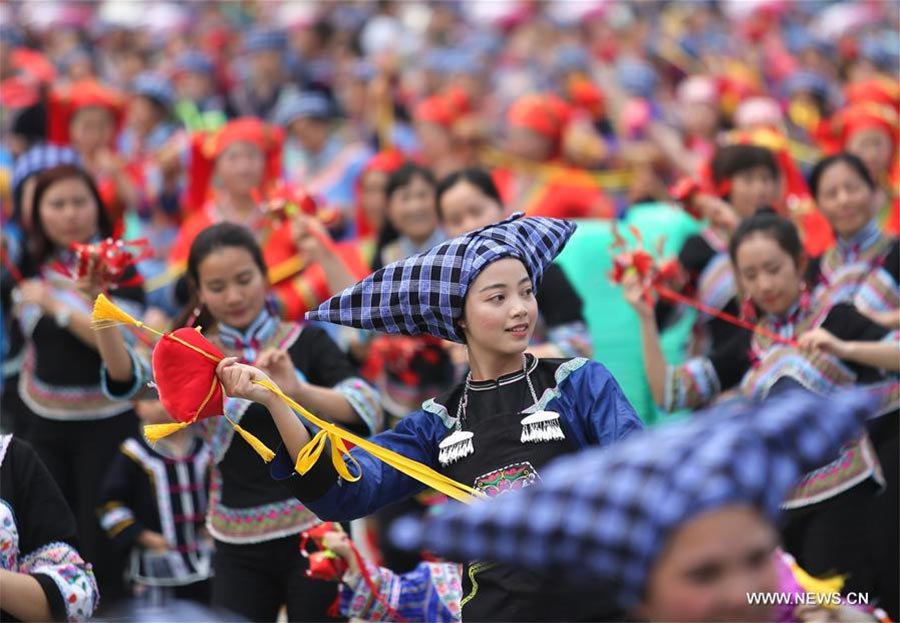
Buyi Ethnic Group
Introduction
The Buyi ethnic group, also known as the Bouyei or Buyei, is one of the 56 officially recognized ethnic groups in China. Predominantly residing in the southwestern province of Guizhou, the Buyi people are renowned for their rich cultural traditions, vibrant festivals, and distinctive language. They are primarily agrarian, historically engaged in farming and weaving, and have a significant cultural heritage that includes traditional music, dance, and crafts.
Geography and Population
Distribution in China
The Buyi ethnic group is primarily concentrated in Guizhou province, particularly in the regions of Qianxinan Buyi and Miao autonomous prefecture, Anshun, and Qiannan. Smaller populations can also be found in Yunnan and Sichuan provinces. The Buyi areas are characterized by hilly landscapes, river valleys, and a subtropical climate, which significantly influence their agricultural practices and lifestyle.
Demographic Characteristics
The Buyi population is estimated to be over three million, making them one of the larger ethnic groups in China. The community is predominantly rural, with most Buyi people engaged in agriculture, particularly rice cultivation. The demographic profile of the Buyi is characterized by a balanced gender ratio and a strong sense of community, with family and clan ties playing a crucial role in social organization.
Language
Varieties and Dialects
The Buyi language belongs to the Tai-Kadai language family, sharing similarities with the Zhuang language, and is distinct from the Mandarin Chinese spoken by the majority Han population. It features several dialects, which can vary significantly across different regions. These dialects include the Northern, Central, and Southern Buyi dialects, each with unique phonetic and lexical characteristics.
Language Preservation Efforts
In recent years, there have been concerted efforts to preserve the Buyi language. Educational programs in Buyi-speaking regions often include the teaching of the Buyi language, and cultural initiatives are in place to promote its use in daily life and media. Language preservation is seen as a vital component of maintaining Buyi cultural identity.
Culture
Traditional Clothing and Attire
Traditional Buyi clothing is renowned for its intricate designs and vibrant colors, often featuring elaborate embroidery and unique patterns. Women typically wear long skirts and jackets adorned with silver jewelry, while men's attire is more subdued, reflecting their agrarian lifestyle. Traditional clothing plays a significant role in festivals and ceremonies, symbolizing cultural heritage and identity.
Festivals and Celebrations
The Buyi ethnic group celebrates a variety of traditional festivals, with the Sanyuesan Festival being one of the most prominent. Held on the third day of the third month on the traditional Chinese calendar, it marks an occasion for music, dance, and community gatherings. Other notable celebrations include the Buyi New Year and the Duan Festival, each featuring unique customs and rituals that reflect the group's cultural richness.
Music and Dance
Buyi music and dance are integral to their cultural expression, characterized by distinctive rhythms and movements. Traditional instruments, such as the lusheng (a reed-pipe wind instrument), play a crucial role in Buyi musical performances. Dance styles often depict daily life, agricultural activities, and historical legends, serving as a means of cultural storytelling and community bonding.
Cuisine
Buyi cuisine is deeply rooted in their agricultural lifestyle, with rice, maize, and chili peppers as staples. Their culinary practices emphasize fresh ingredients, with dishes often featuring savory and spicy flavors. Traditional meals include pickled vegetables, smoked meats, and a variety of local herbs, showcasing the Buyi's connection to their land and environment.
Social Structure
Family and Community Life
Family and community life are central to Buyi society, with strong kinship bonds and a collective approach to social organization. Extended families often live close to each other, sharing resources and responsibilities. Community events, such as festivals and agricultural activities, serve as opportunities for social interaction and cohesion.
Role of Women and Elders
Women and elders hold significant roles within Buyi communities. Women are often responsible for maintaining household duties and participating in agricultural work, while elders are respected for their wisdom and experience. The Buyi's social structure emphasizes respect for age and gender roles, which are seen as vital to maintaining community harmony and tradition.
Cultural Preservation and Promotion
Cultural preservation and promotion are critical concerns for the Buyi ethnic group, as they navigate the challenges of modernization and globalization. Efforts to safeguard their cultural heritage include language preservation, the promotion of traditional crafts and performances, and the celebration of Buyi festivals. Government initiatives and local community actions play a crucial role in these preservation efforts, ensuring that Buyi culture remains vibrant and relevant.








